

CSCE CALGARY 2027
JUNE 16 - 18, 2027
SUSTAINABLE DEVELOPMENT
/ UNU HUB
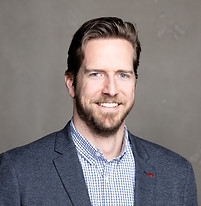
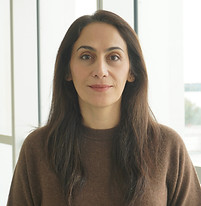
Co-Chairs: Erik Poirier & Seiran Heshami
TOPICS
Whole-Life Carbon and Sustainability Assessment – Life cycle assessment (LCA/LCCA), embodied and operational carbon, EPDs, screening and early-design methods, benchmarking and reporting.
Circular Economy and Regenerative Design – Design for disassembly and adaptability, selective deconstruction, material reuse and recovery, material and digital product passports, circular business models, urban mining.
Energy Transition and Net-Zero Infrastructure – Decarbonization pathways for buildings and infrastructure, electrification, district energy, hydrogen and CCUS infrastructure, renewable integration, low-carbon retrofits.
Climate Resilience and Adaptation of Infrastructure and Cities – Climate risk and vulnerability assessment, adaptive and resilient design, nature-based solutions and green/blue infrastructure, urban heat and livability, wildfire/flood/drought resilience, resilience of critical infrastructure systems.
Water Security and Sustainable Water Systems – Integrated water resources management, water reuse and conservation, watershed-scale planning, water–energy–food nexus, transferable solutions for the Global South (UNU Hub linkage).
Indigenous, Northern and Remote Community Infrastructure – Co-design and community-led infrastructure, braiding Indigenous and Western knowledge systems, housing and infrastructure equity, community resilience and self-determination.
Digital Transformation for Sustainable Development – BIM and digital twins for whole-life performance, AI and data analytics for sustainability decision-making, open data and interoperability standards, digital tools for carbon and circularity tracking.
Sustainable Procurement, Policy and Governance – Green and low-carbon public procurement, codes and regulation, ESG and sustainability disclosure, SDG alignment, sustainable finance and incentives, sustainable municipal asset management, owner leadership.
Education, Competencies and Leadership for Sustainable Development – Curriculum and accreditation (sustainability graduate attributes), professional competencies and lifelong learning, ethics and social responsibility, workforce and just transition, engineers' role in public policy.
Envision Case Studies and Sustainable Infrastructure Rating in Practice – Envision-verified and Envision-guided projects in Canada and abroad, lessons learned across the five categories (Quality of Life, Leadership, Resource Allocation, Natural World, Climate and Resilience), use of Envision by public owners in procurement and project delivery, comparison and integration with other frameworks (LEED, Zero Carbon Building, CEEQUAL/BREEAM Infrastructure), value, cost and outcome evidence from rated projects.
